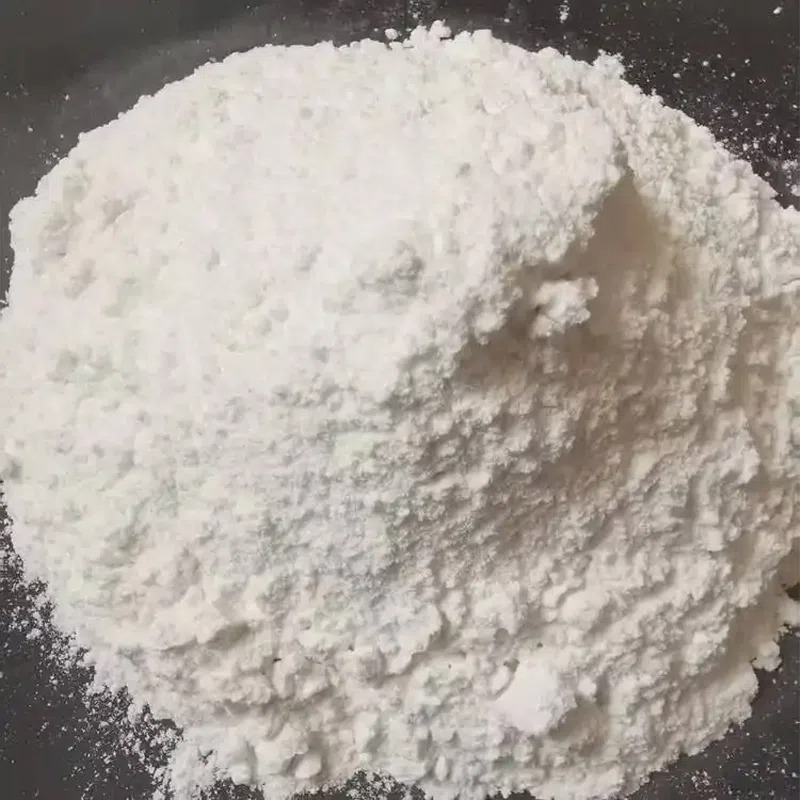
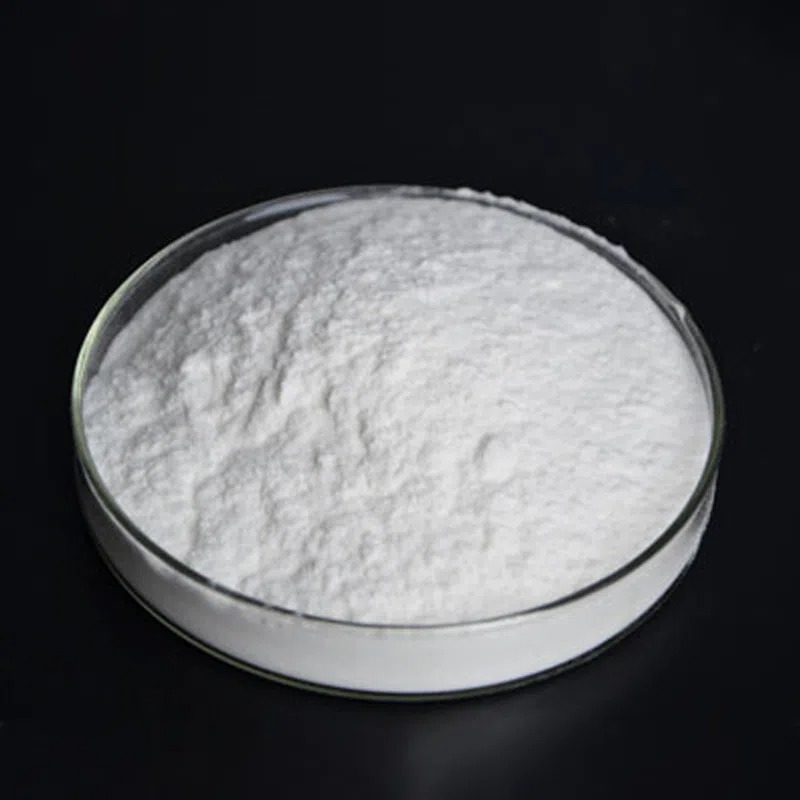
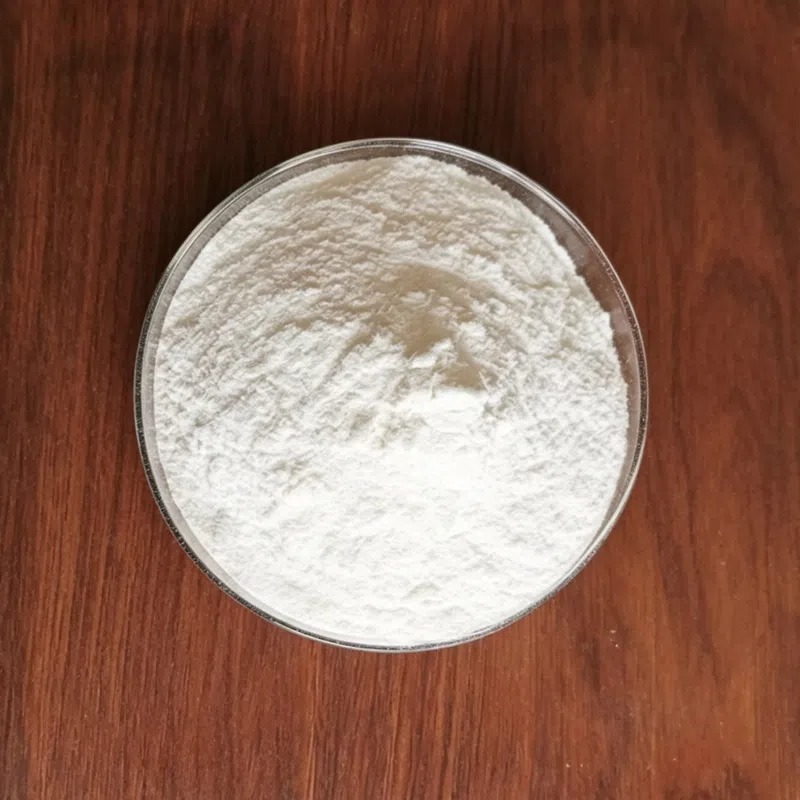
CMC is available in a variety of viscosity grades. Low-viscosity CMC (CMC-LV) offers excellent dispersion, stabilization, colloidal protection, and film-forming properties. High-viscosity CMC (CMC-HV) demonstrates exceptionally high thickening efficiency, along with superior water retention, suspension stability, and rheology-modifying characteristics. CAS No.: 9004-32-4 Formula: C6H12O6 EINECS: 618-326-2
PAC-LV (Polyanionic Cellulose, Low Viscosity) is a water-soluble cellulose ether polymer, commonly used as a fluid-loss control agent in water-based drilling fluids for applications such as oil and natural gas drilling, as well as horizontal directional drilling (HDD). Key Functions and Characteristics • Fluid-Loss Control: Forms a thin, tough filter cake on the borehole wall, effectively reducing the loss of drilling fluid into the formation. • Low-Viscosity Thickening Profile: Unlike PAC-HV (High Viscosity), PAC-LV significantly reduces fluid loss while causing little to no increase in the overall viscosity of the drilling fluid. • Shale Inhibition and Encapsulation: Inhibits the hydration and dispersion of clay, helping to stabilize the borehole wall. • Excellent Compatibility and Resistance: Suitable for a wide range of water-based mud systems—including those using fresh water, seawater, saturated brine, or KCl (potassium chloride)—and offers good thermal stability (typically up to approximately 150°C) as well as resistance to bacterial degradation.
Drilling fluid grade PAC-R is a general-purpose, medium-to-high-viscosity polyanionic cellulose. Our polyanionic cellulose PAC has uniform substitution and stabilizes drilling fluid viscosity. 1. Fluid loss & rheology control 2. Uniform substitution 3. Fast dissolution 4. Good salt/calcium resistance