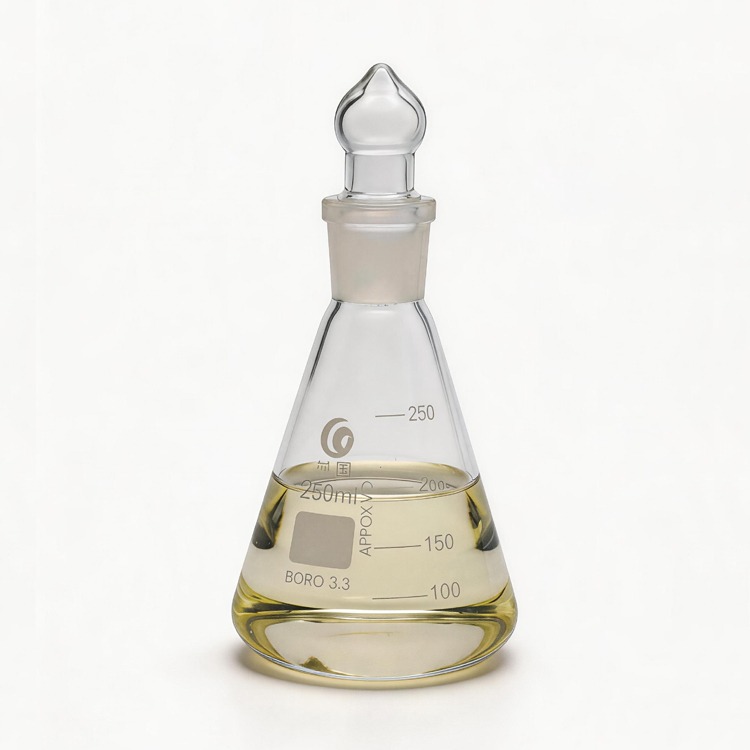
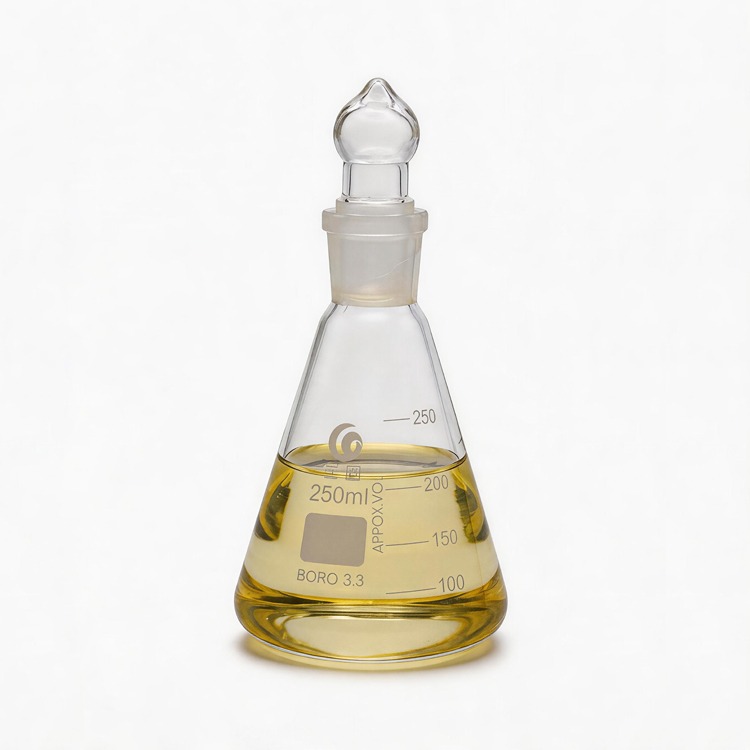
AA-AMPS can also be used as a textile printing and dyeing auxiliary agent; and as a scale inhibitor for pulp in paper-making systems. It is particularly suitable for water with high pH, high alkalinity, and high hardness, making it one of the ideal scale inhibitors and dispersants for achieving high concentration ratios. CAS No.: 40623-75-4 Appearance: Colorless to yellow viscous liquid Solid content: 30%, 40% Certification: REACH Package: 200L plastic drum, IBC/1000L HS Code: 29420000 Origin: Shandong, China Production Capacity: 5000 Tons/Year
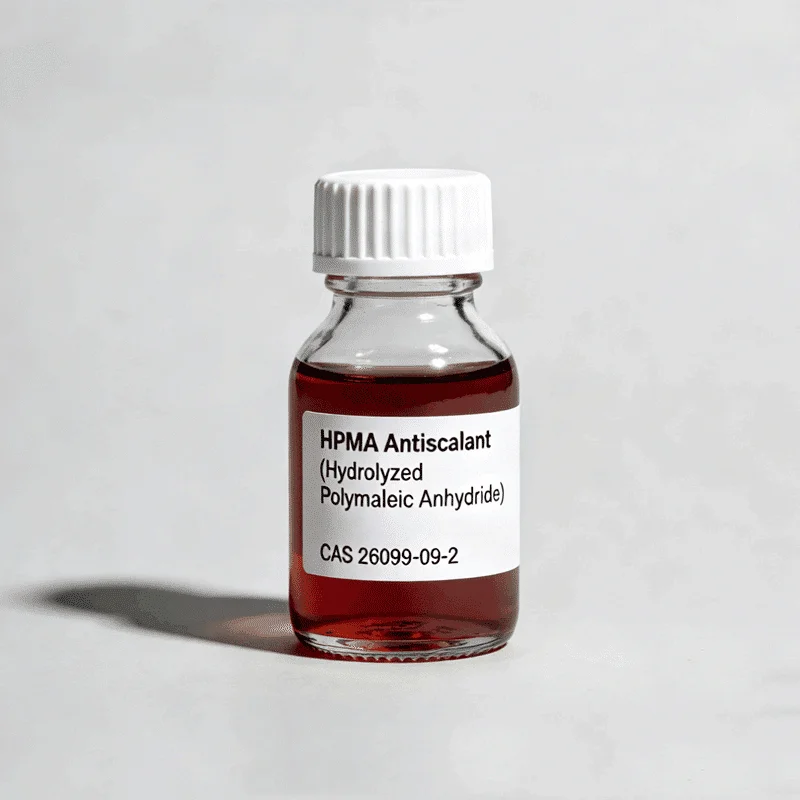
Aliases: Polymaleic Anhydride, Polymaleic Acid, Poly-cis-butenedioic Acid CAS No.: 26099-09-2 Hydrolyzed Polymaleic Anhydride(HPMA) generally has a relative molecular weight of 400-800; it is non-toxic, easily soluble in water, with high chemical stability and thermal stability, and its decomposition temperature is above 330℃; HPMA is suitable for alkaline environments. Due to its excellent scale inhibition performance and high temperature resistance, HPMA is widely used in flash evaporation devices for seawater desalination, low-pressure boilers and industrial circulating cooling water. It also has a certain corrosion inhibition effect, and the corrosion inhibition effect is better when compounded with zinc salts. It can also be used as a cement admixture and a saline-alkali soil improver.
Water Treatment Scale Inhibitor 50% Acrylic Maleic Acid Copolymer MA/AA CAS 26677-99-6 MA/AA is a low molecular weight polyelectrolyte, prepared by copolymerization of maleic acid and acrylic acid in a certain proportion. It has a strong dispersing effect on carbonates and other substances, high thermal stability, and can be used under harsh conditions such as high temperature of 300℃. It has good compatibility and synergistic effect with other water treatment chemicals.
PAA is non-toxic, easily soluble in water, and can operate under alkaline and medium concentration cycles without scaling. It can disperse microcrystals or sediment of calcium carbonate, calcium sulfate and other salts in water without precipitation, so as to achieve the purpose of scale inhibition. CAS No.: 9003-01-4 Appearance: Colorless to light yellow transparent liquid Package: 25kg, 250kg, 1250kg shelf life: 12 months.
PAAS can disperse microcrystals or sediment of calcium carbonate, calcium sulfate and other salts in water without precipitation, so as to achieve the purpose of scale inhibition. PAAS is a commonly used dispersant. In addition to being used as a scale inhibitor and dispersant in circulating cooling water systems of power plants, chemical plants, fertilizer plants, oil refineries and air conditioning systems, it is also widely used in papermaking, textile printing and dyeing, ceramics, coatings, building materials and other industries.
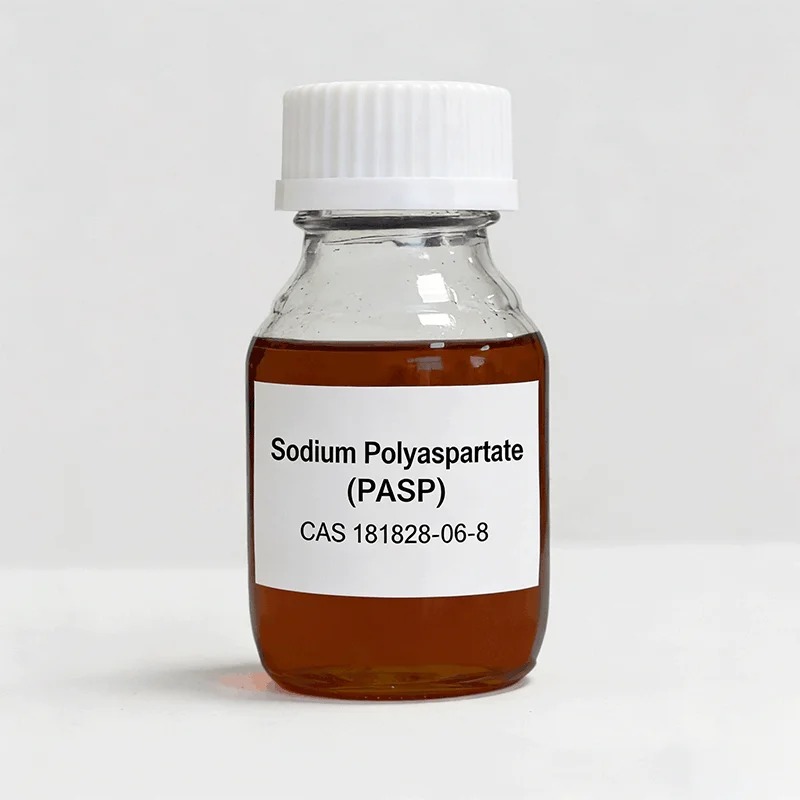
PASP is a water-soluble polymer and a novel, eco-friendly water treatment agent characterized by being phosphorus-free, non-toxic, pollution-free, and fully biodegradable. CAS No.: 181828-06-8; 35608-40-6 Molecular Formula: C4H5NO3M(C4H4NO3M)m(C4H4NO3M)nC4H4NO3M2 Relative Molecular Mass: 1000-5000 It possesses strong ion-chelating capabilities and offers dual functionality in corrosion inhibition and scale inhibition; it effectively inhibits the formation of scale-forming salts such as calcium carbonate, calcium sulfate, barium sulfate, and calcium phosphate, achieving an inhibition rate of up to 100% for calcium carbonate. Additionally, PASP acts as a dispersant and effectively prevents corrosion in metal equipment.
PESA has good scale inhibition and dispersion performance on calcium carbonate, calcium sulfate and barium sulfate in water, and its scale inhibition effect is better than that of common organophosphonic scale inhibitors. PESA has a good synergistic effect when compounded with phosphonates, and has a certain corrosion inhibition effect, so it is a multi-component scale inhibitor. PESA has good biodegradability, wide application range, especially suitable for cooling water systems under high alkali, high hardness and high pH conditions, and can realize operation with high concentration cycles; it has good compatibility with chlorine and good compatibility with other agents.