
Polyanionic Cellulose PAC-LV API-13A
PAC-LV (Polyanionic Cellulose, Low Viscosity) is a water-soluble cellulose ether polymer, commonly used as a fluid-loss control agent in water-based drilling fluids for applications such as oil and natural gas drilling, as well as horizontal directional drilling (HDD).
Key Functions and Characteristics
• Fluid-Loss Control: Forms a thin, tough filter cake on the borehole wall, effectively reducing the loss of drilling fluid into the formation.
• Low-Viscosity Thickening Profile: Unlike PAC-HV (High Viscosity), PAC-LV significantly reduces fluid loss while causing little to no increase in the overall viscosity of the drilling fluid.
• Shale Inhibition and Encapsulation: Inhibits the hydration and dispersion of clay, helping to stabilize the borehole wall.
• Excellent Compatibility and Resistance: Suitable for a wide range of water-based mud systems—including those using fresh water, seawater, saturated brine, or KCl (potassium chloride)—and offers good thermal stability (typically up to approximately 150°C) as well as resistance to bacterial degradation.
Key Technical Specifications
| Item | Standard Index |
|---|---|
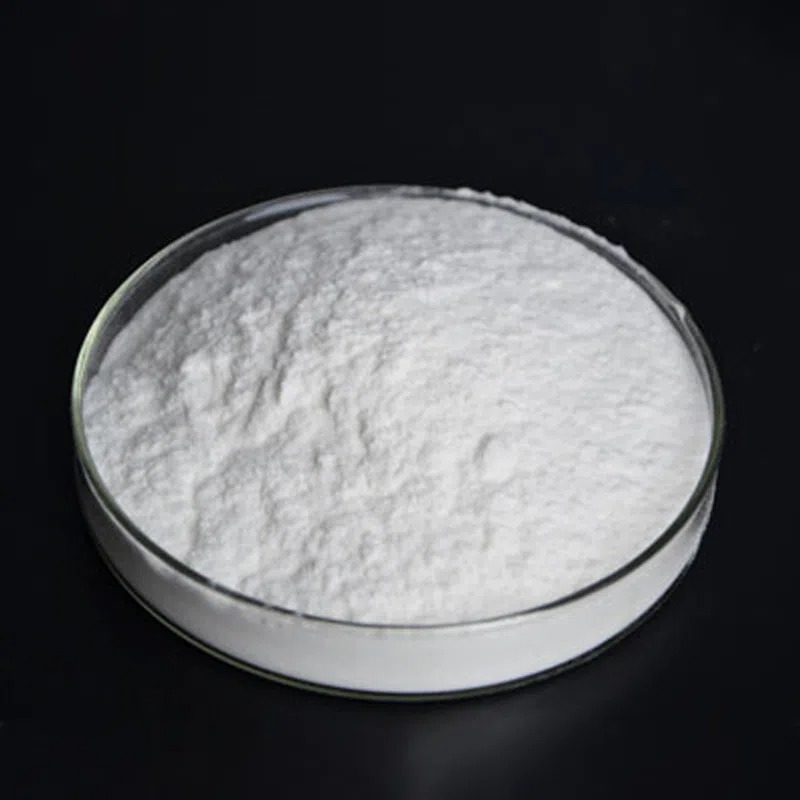
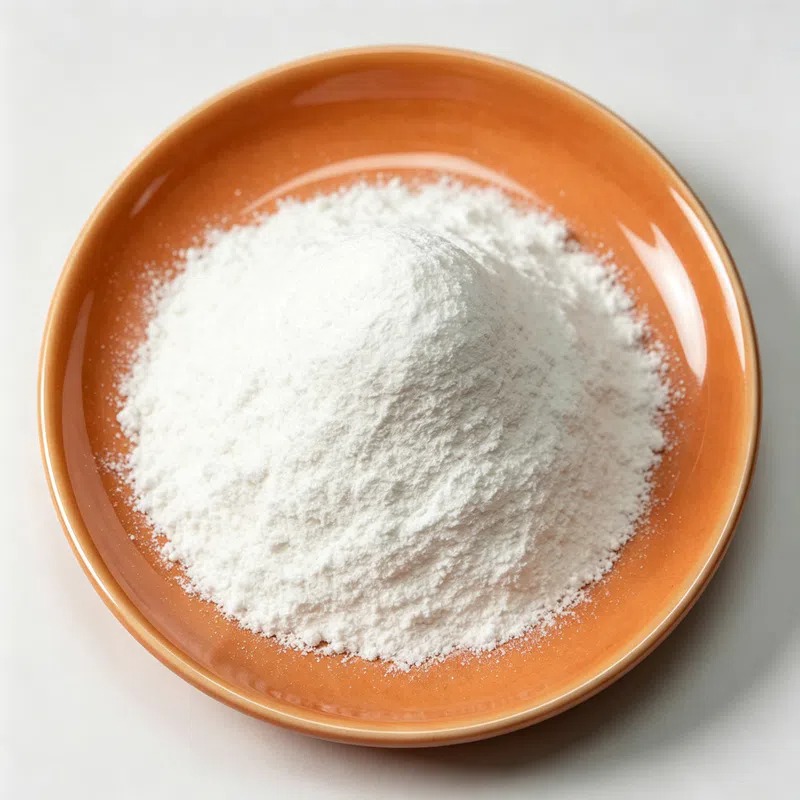
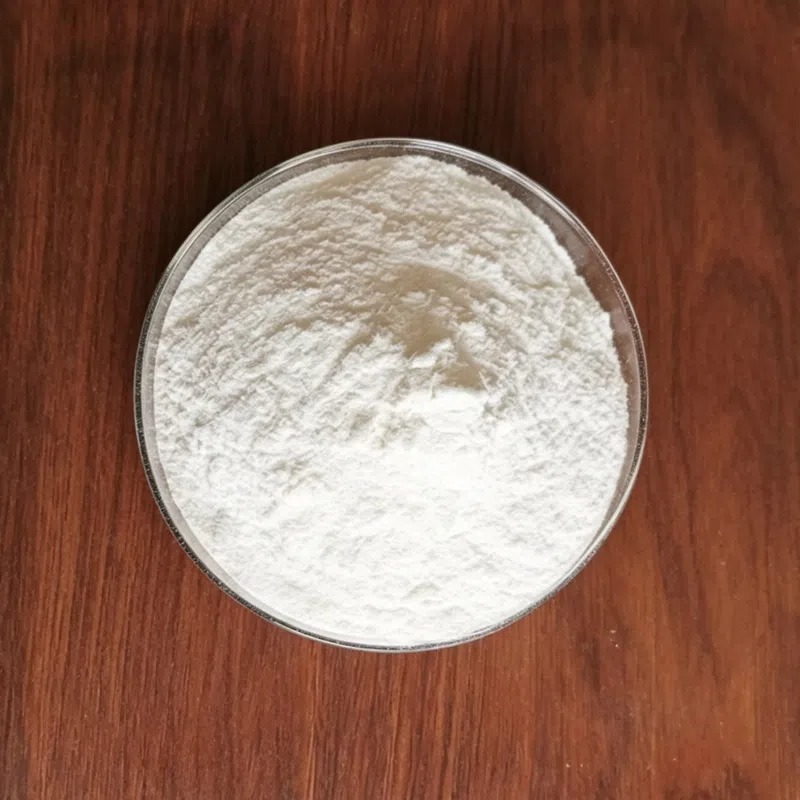
| Appearance | White to off-white free-flowing powder |
| Degree of Substitution (DS) | ≥ 0.90 |
| Apparent Viscosity (1% aqueous solution, 25℃) | ≤ 50 mPa·s |
| pH Value (1% aqueous solution) | 6.0 – 8.5 |
| Loss on Drying | ≤ 10.0 % |
| Purity (on dry basis) | ≥ 95.0 % |
| API Fluid Loss (fresh water standard base slurry) | ≤ 16 mL |
| Temperature Resistance | ≤ 150 ℃ |
| Fineness | ≥ 95 % passing 100 mesh sieve |
Applications
1. Medium-shallow Conventional Drilling: For drilling fluid treatment in medium-shallow conventional well formations.
2. Workover & Completion Operations: For performance adjustment of conventional workover and completion fluids.
3. Fresh Water Drilling Fluid System: For filtration and rheology control of fresh water-based drilling fluids.
4. Cost-sensitive Projects: For drilling projects with strict cost control requirements.
Recommended Treatment
In all fluid types, 2-5kg/m3 of INTECHEMS PAC-LV should be mixed slowly through a hopper.
Packaging
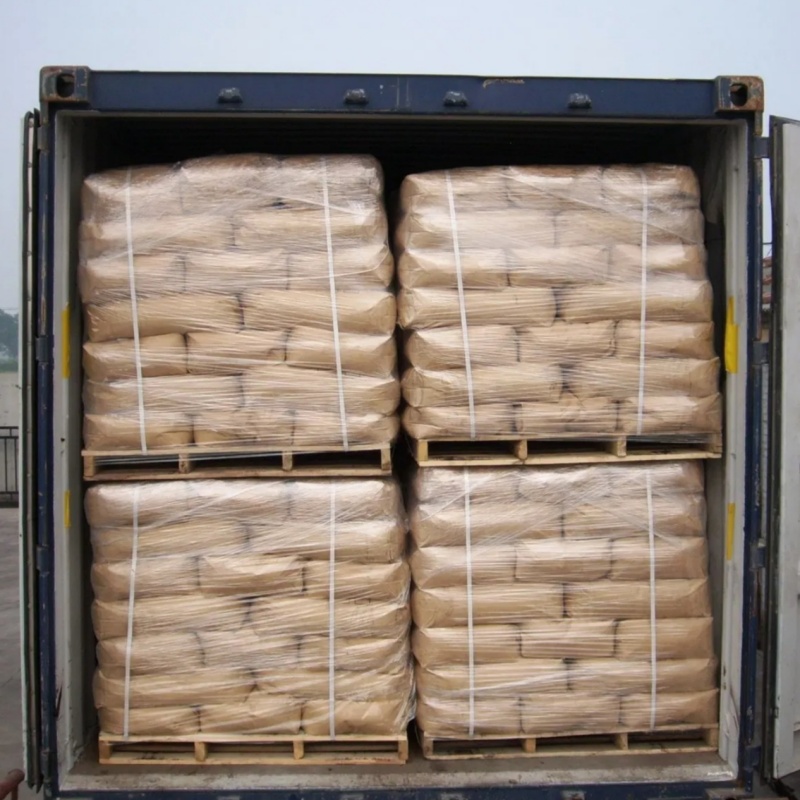
25kg kraft bag with PE inner