— PROFESSIONAL WATER CHEMICAL SUPPLIER
INTECHEMS—
Reliable partner in global supply chain
Redefining service standards in water treatment industry
INTECHEMS is a high-tech enterprise specializing in exporting of water treatment chemicals. We are dedicated to providing efficient and eco-friendly chemical solutions for municipal wastewater, industrial circulating water, petrochemical, and power metallurgy industries worldwide.

Quick Response
Self-owned warehouse make quick response.

Quality stability
Consistent performance are our pursuit.

Problem solvers
Providing professional solutions to various customer issues.

Cost-effective solutions
Cost-effective products from reliable workshop
—CONSISTENT AND SUSTAINABLE SUPPLY OF THE FOLLOWING PRODUCTS
Featured products
Xanthan Gum Oil Drilling Grade API-13A
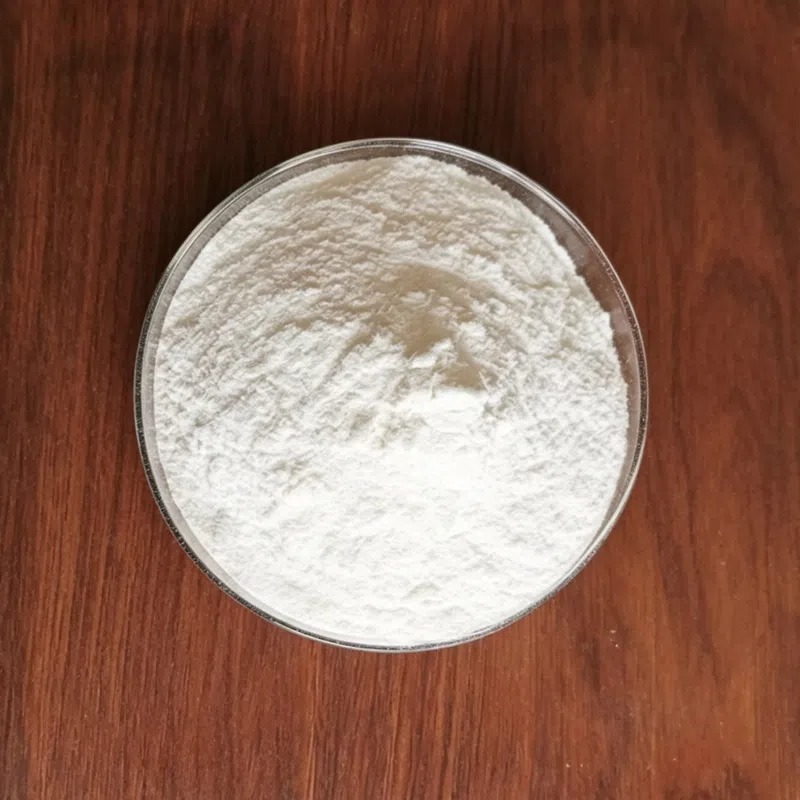
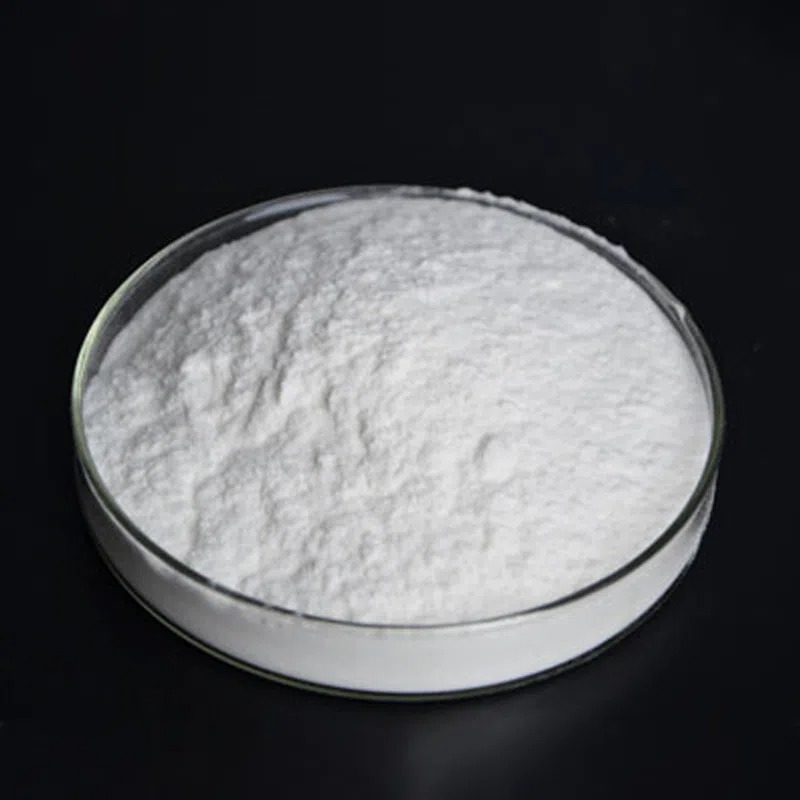
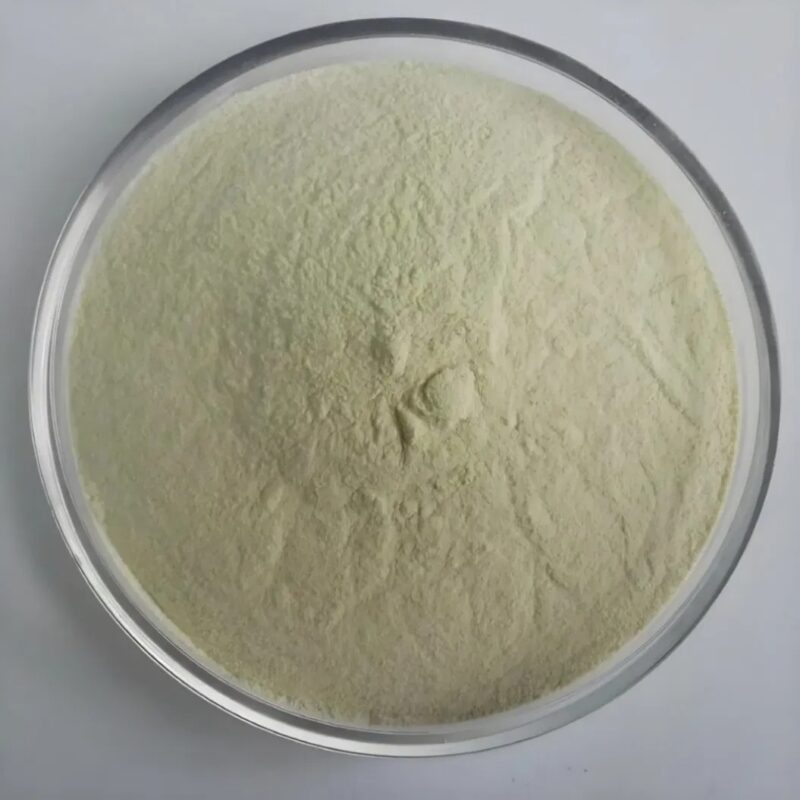
xanthan gum Oil drilling grade is used as a drilling mud additive, primarily as a thickener and suspending agent in water-based drilling fluids. It exhibits excellent shear stability and suspension properties. CAS No.: 11138-66-2 Formula: C35H49O29 Appearance: Light yellow to white flowable powder Packaging: 25kg/bag or customized
Polyanionic Cellulose PAC-R API-13A
Drilling fluid grade PAC-R is a general-purpose, medium-to-high-viscosity polyanionic cellulose. Our polyanionic cellulose PAC has uniform substitution and stabilizes drilling fluid viscosity. 1. Fluid loss & rheology control 2. Uniform substitution 3. Fast dissolution 4. Good salt/calcium resistance
Polyanionic Cellulose PAC-LV API-13A
PAC-LV (Polyanionic Cellulose, Low Viscosity) is a water-soluble cellulose ether polymer, commonly used as a fluid-loss control agent in water-based drilling fluids for applications such as oil and natural gas drilling, as well as horizontal directional drilling (HDD). Key Functions and Characteristics • Fluid-Loss Control: Forms a thin, tough filter cake on the borehole wall, effectively reducing the loss of drilling fluid into the formation. • Low-Viscosity Thickening Profile: Unlike PAC-HV (High Viscosity), PAC-LV significantly reduces fluid loss while causing little to no increase in the overall viscosity of the drilling fluid. • Shale Inhibition and Encapsulation: Inhibits the hydration and dispersion of clay, helping to stabilize the borehole wall. • Excellent Compatibility and Resistance: Suitable for a wide range of water-based mud systems—including those using fresh water, seawater, saturated brine, or KCl (potassium chloride)—and offers good thermal stability (typically up to approximately 150°C) as well as resistance to bacterial degradation.
PESA Polyepoxysuccinic Acid Sodium Salt Antiscalant
PESA has good scale inhibition and dispersion performance on calcium carbonate, calcium sulfate and barium sulfate in water, and its scale inhibition effect is better than that of common organophosphonic scale inhibitors. PESA has a good synergistic effect when compounded with phosphonates, and has a certain corrosion inhibition effect, so it is a multi-component scale inhibitor. PESA has good biodegradability, wide application range, especially suitable for cooling water systems under high alkali, high hardness and high pH conditions, and can realize operation with high concentration cycles; it has good compatibility with chlorine and good compatibility with other agents.
PASP 40% Polyaspartic Acid Sodium Salt Antiscalant
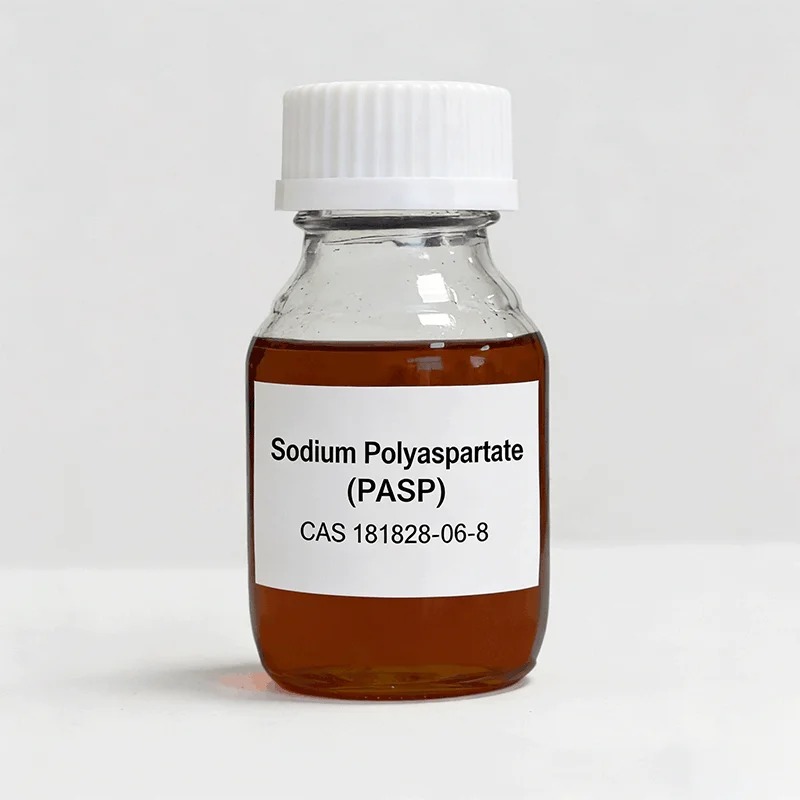
PASP is a water-soluble polymer and a novel, eco-friendly water treatment agent characterized by being phosphorus-free, non-toxic, pollution-free, and fully biodegradable. CAS No.: 181828-06-8; 35608-40-6 Molecular Formula: C4H5NO3M(C4H4NO3M)m(C4H4NO3M)nC4H4NO3M2 Relative Molecular Mass: 1000-5000 It possesses strong ion-chelating capabilities and offers dual functionality in corrosion inhibition and scale inhibition; it effectively inhibits the formation of scale-forming salts such as calcium carbonate, calcium sulfate, barium sulfate, and calcium phosphate, achieving an inhibition rate of up to 100% for calcium carbonate. Additionally, PASP acts as a dispersant and effectively prevents corrosion in metal equipment.
PAAS 30% 40% 50% Polyacrylic Acid Sodium Antiscalant
PAAS can disperse microcrystals or sediment of calcium carbonate, calcium sulfate and other salts in water without precipitation, so as to achieve the purpose of scale inhibition. PAAS is a commonly used dispersant. In addition to being used as a scale inhibitor and dispersant in circulating cooling water systems of power plants, chemical plants, fertilizer plants, oil refineries and air conditioning systems, it is also widely used in papermaking, textile printing and dyeing, ceramics, coatings, building materials and other industries.
PAA Polyacrylic Acid for circulating cooling water systems
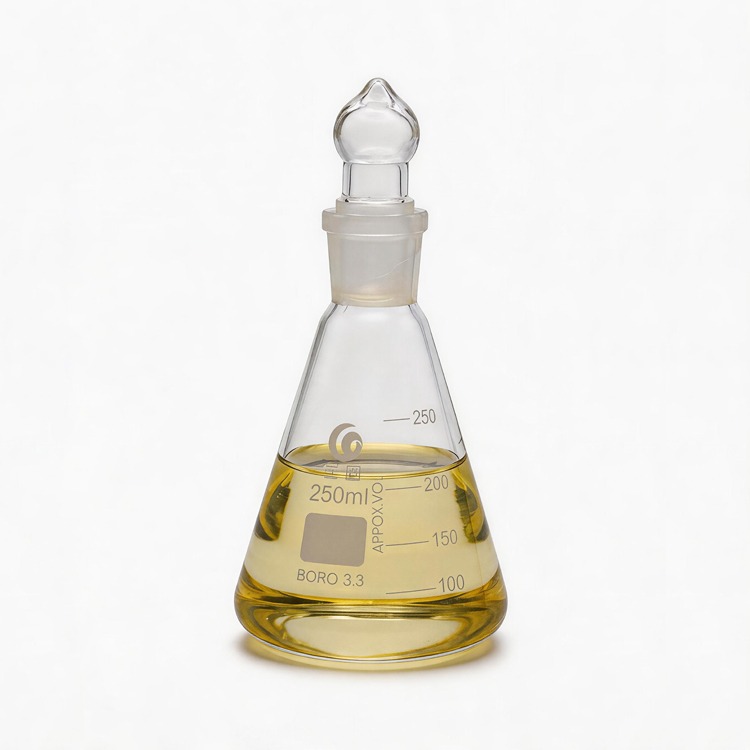
PAA is non-toxic, easily soluble in water, and can operate under alkaline and medium concentration cycles without scaling. It can disperse microcrystals or sediment of calcium carbonate, calcium sulfate and other salts in water without precipitation, so as to achieve the purpose of scale inhibition. CAS No.: 9003-01-4 Appearance: Colorless to light yellow transparent liquid Package: 25kg, 250kg, 1250kg shelf life: 12 months.
MA/AA 50% Copolymer of Maleic and Acylic Acid Dispersant
Water Treatment Scale Inhibitor 50% Acrylic Maleic Acid Copolymer MA/AA CAS 26677-99-6 MA/AA is a low molecular weight polyelectrolyte, prepared by copolymerization of maleic acid and acrylic acid in a certain proportion. It has a strong dispersing effect on carbonates and other substances, high thermal stability, and can be used under harsh conditions such as high temperature of 300℃. It has good compatibility and synergistic effect with other water treatment chemicals.
— CASE STUDY
Project Showcase
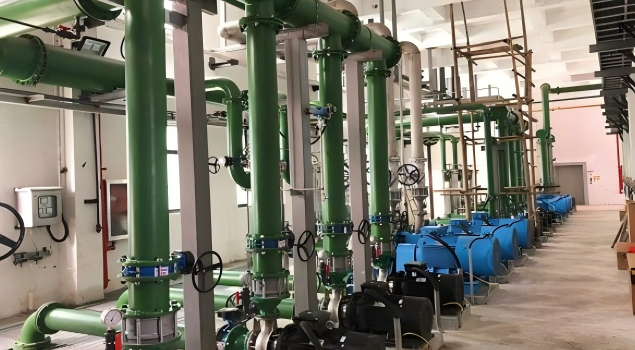
Our products are widely used in sand washing plants, coal washing plants, and printing and dyeing factories.
— INDUSTRY NEWS, PRODUCTS INFORMATION, USAGE
Recent News
We share industry news, product information, product effects, and usage scenarios regularly.
2026-10-10
2026-08-27
2026-08-07
2026-06-15
— CONTACT INTECHEMS FOR BETTER SERVICE
INTECHEMS solve your water treatment challenges!