admin

Highly efficient Polyacrylamide Flocculant Dissolution Method-INTECHEMS

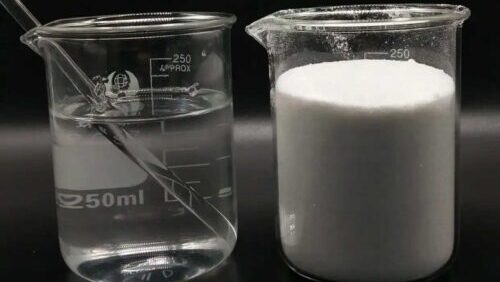
Our company’s polyacrylamide flocculants are high-molecular-weight organic compounds, mostly in the millions, some even approaching twenty million. Therefore, their dissolution methods differ significantly from those of inorganic small-molecule iron and aluminum salt flocculants. Generally, the following principles should be followed:

Highly efficient Polyacrylamide Flocculant Dissolution Method-INTECHEMS Read More »

Reverse-osmosis-chemicals

Differences between reverse osmosis antiscalants and circulating water antiscalants

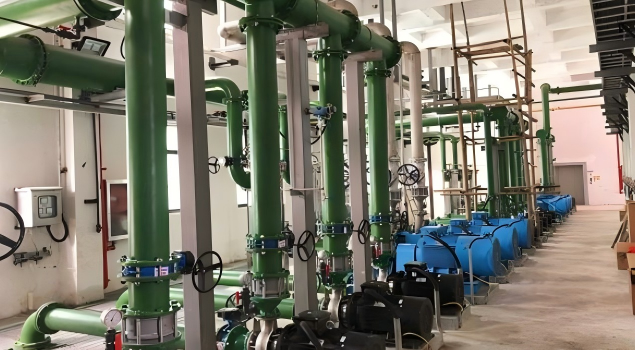
The core difference between reverse osmosis and circulating water treatment chemicals lies in their completely different working environments, objectives, and precision. A circulating water system is an open, large-scale heat exchange system, while a reverse osmosis system is a closed, precise membrane separation system.

Differences between reverse osmosis antiscalants and circulating water antiscalants Read More »

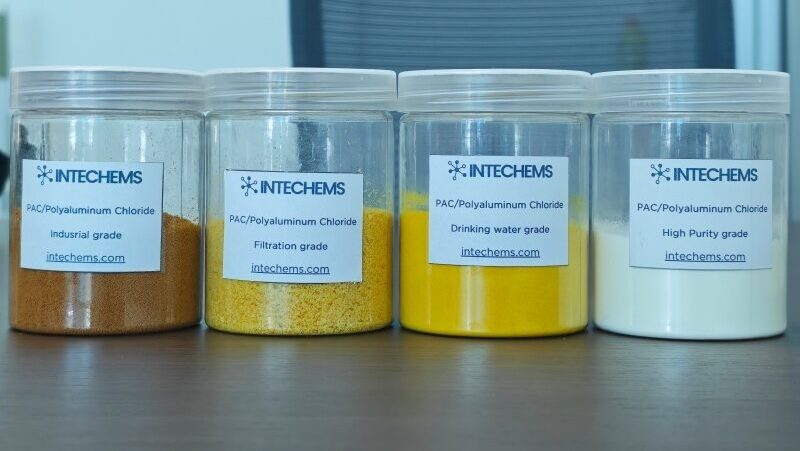
Differences and connections between polyaluminum chloride and polyacrylamide as water treatment agents

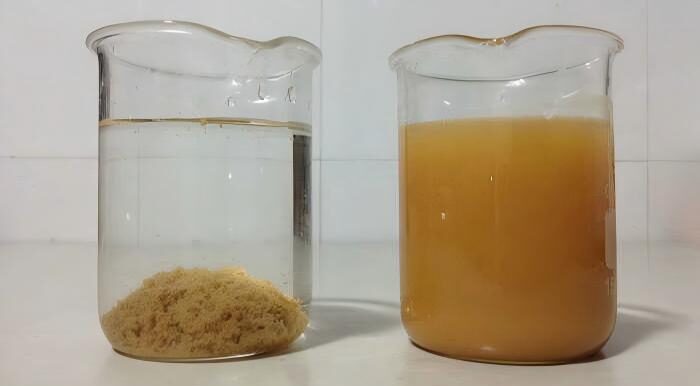
If you are currently testing a specific type of wastewater (such as sand washing wastewater, slaughterhouse wastewater, or dyeing wastewater), please tell me the water quality conditions, and I can help you estimate the approximate dosage range for PAC and PAM.

Differences and connections between polyaluminum chloride and polyacrylamide as water treatment agents Read More »

Scroll to Top