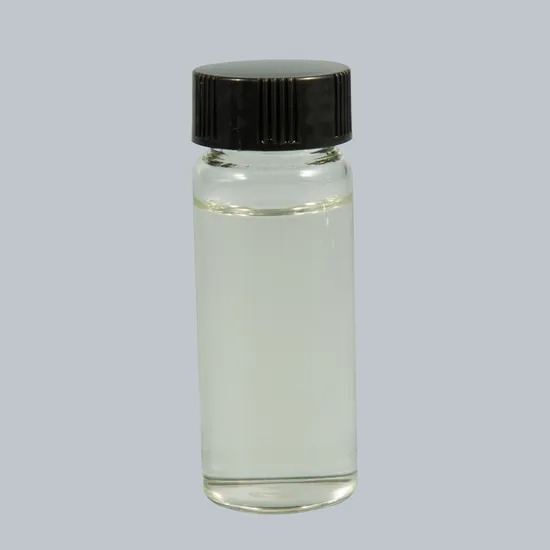
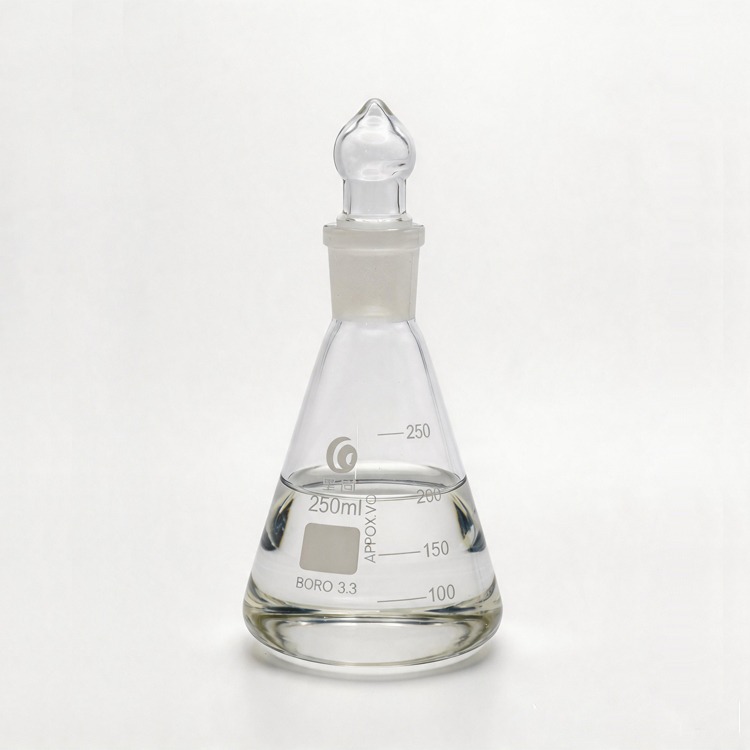
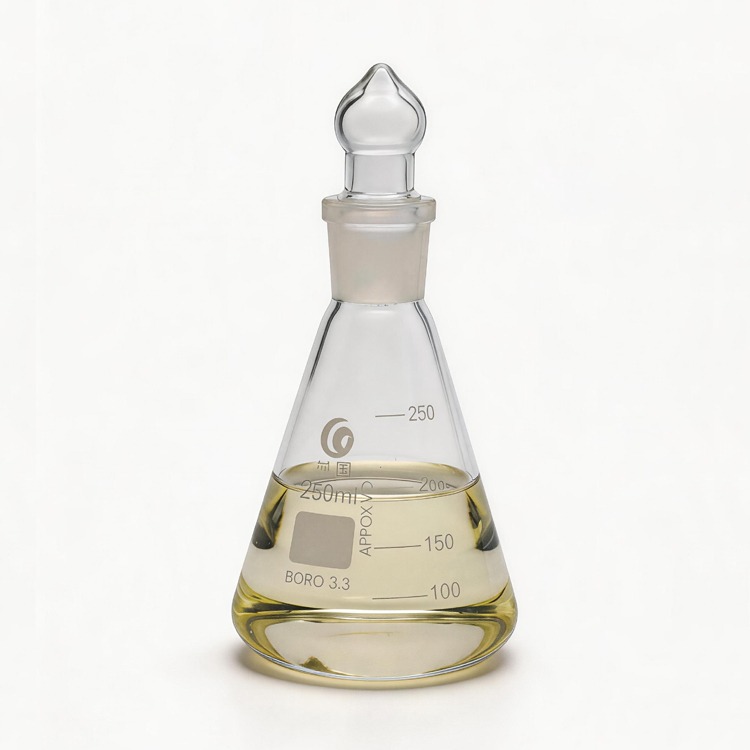
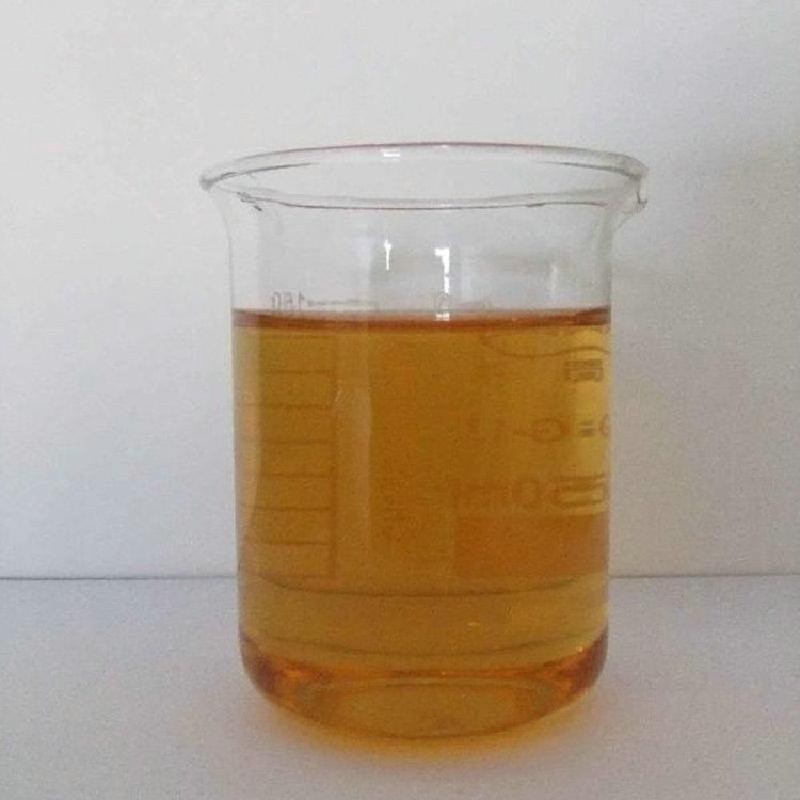
HEDP is an organophosphonic acid scale and corrosion inhibitor that can form stable complexes with various metal ions such as iron, copper, and zinc, and can dissolve oxides on metal surfaces. It maintains good scale and corrosion inhibition at 250℃, remains stable at high pH, is not easily hydrolyzed, and is generally not easily decomposed under light and heat conditions. Its acid and alkali resistance and chlorine oxidation resistance are better than other organophosphonic acids (salts). HEDP can form hexacyclic chelates with metal ions in water, especially calcium ions, thus exhibiting good scale inhibition and a significant solubility limit effect. When used in combination with other water treatment agents, it demonstrates an ideal synergistic effect.
HEDP is an organophosphonic acid scale and corrosion inhibitor that can form stable complexes with various metal ions such as iron, copper, and zinc, and can dissolve oxides on metal surfaces.When used in combination with other water treatment agents, it demonstrates an ideal synergistic effect.
HEDP is an organophosphonic acid scale and corrosion inhibitor that can form stable complexes with various metal ions such as iron, copper, and zinc, and can dissolve oxides on metal surfaces. It maintains good scale and corrosion inhibition at 250℃, remains stable at high pH, is not easily hydrolyzed, and is generally not easily decomposed under light and heat conditions.
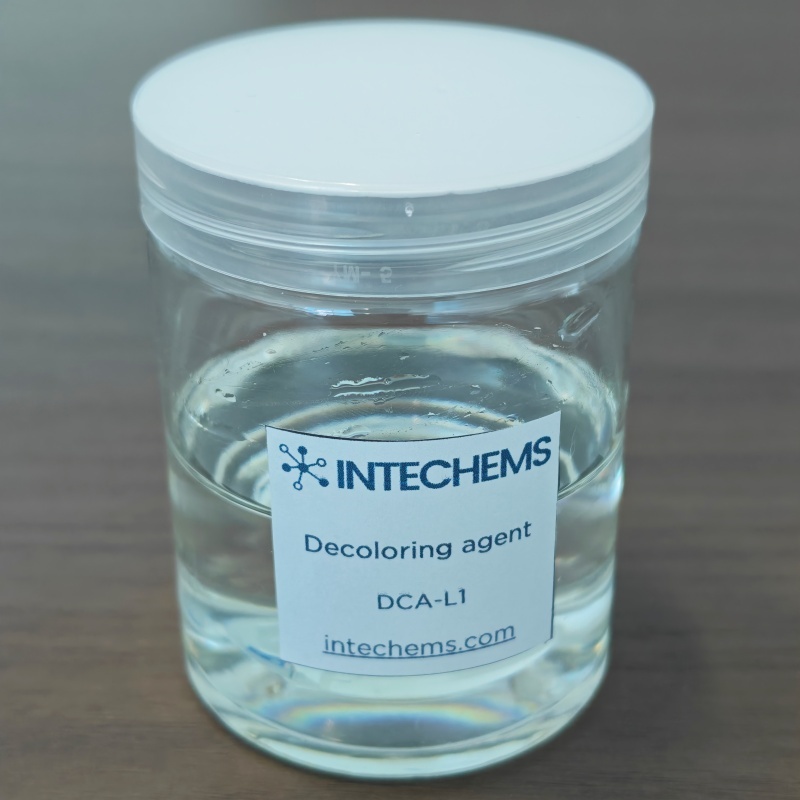
High-efficiency decolorizing flocculant DCA-L1 is a cyanoguanidine series cationic polymer compound with multiple functions including decolorization, flocculation, and COD degradation.
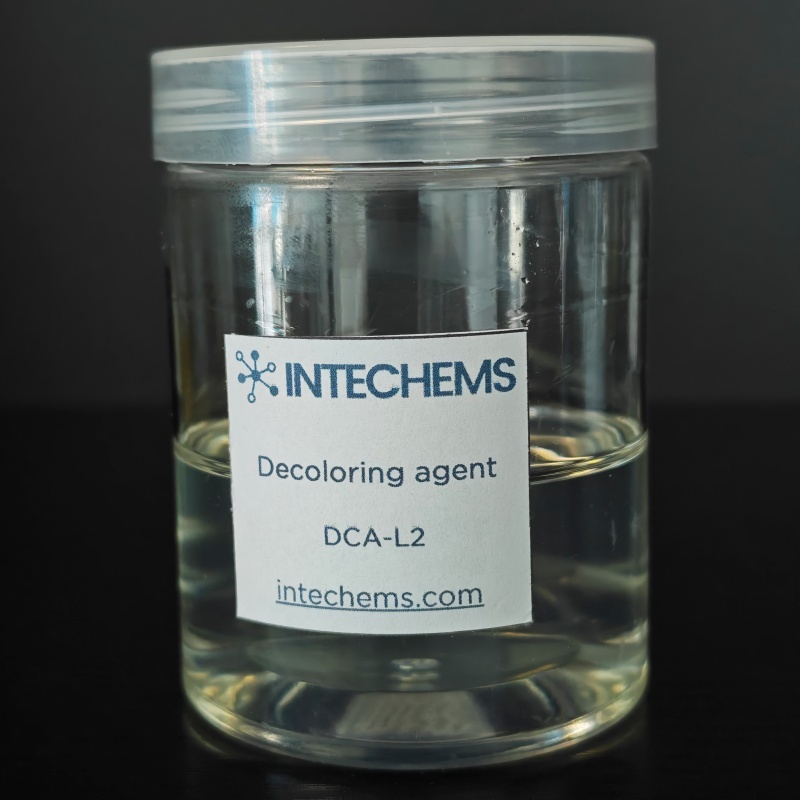
High-efficiency decolorizing flocculant DCA-L2 is a high-efficiency decolorizing flocculant with multiple functions such as decolorization, flocculation, COD and BOD reduction.
HPAA is chemically stable, hard to be hydrolyzed, hard to be destroyed by acid or alkali, safety in use, no toxicity, no pollution. HPAA can improve zinc solubility. Its corrosion inhibition ability is 5-8 times better than that of HEDP and EDTMP. When built with low molecular polymers, its corrosion inhibition effect is even better. HPAA is mainly used as cathode corrosion inhibitor in oilfield refill water system in fields such as steel & iron, petrochemical, power plant and medical industries.
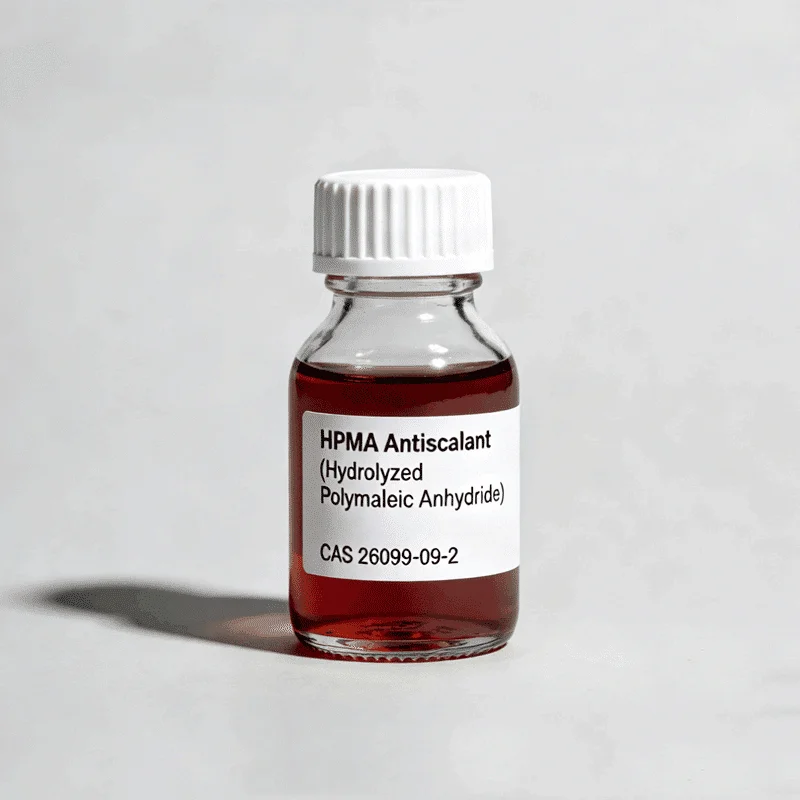
Aliases: Polymaleic Anhydride, Polymaleic Acid, Poly-cis-butenedioic Acid CAS No.: 26099-09-2 Hydrolyzed Polymaleic Anhydride(HPMA) generally has a relative molecular weight of 400-800; it is non-toxic, easily soluble in water, with high chemical stability and thermal stability, and its decomposition temperature is above 330℃; HPMA is suitable for alkaline environments. Due to its excellent scale inhibition performance and high temperature resistance, HPMA is widely used in flash evaporation devices for seawater desalination, low-pressure boilers and industrial circulating cooling water. It also has a certain corrosion inhibition effect, and the corrosion inhibition effect is better when compounded with zinc salts. It can also be used as a cement admixture and a saline-alkali soil improver.
Water Treatment Scale Inhibitor 50% Acrylic Maleic Acid Copolymer MA/AA CAS 26677-99-6 MA/AA is a low molecular weight polyelectrolyte, prepared by copolymerization of maleic acid and acrylic acid in a certain proportion. It has a strong dispersing effect on carbonates and other substances, high thermal stability, and can be used under harsh conditions such as high temperature of 300℃. It has good compatibility and synergistic effect with other water treatment chemicals.
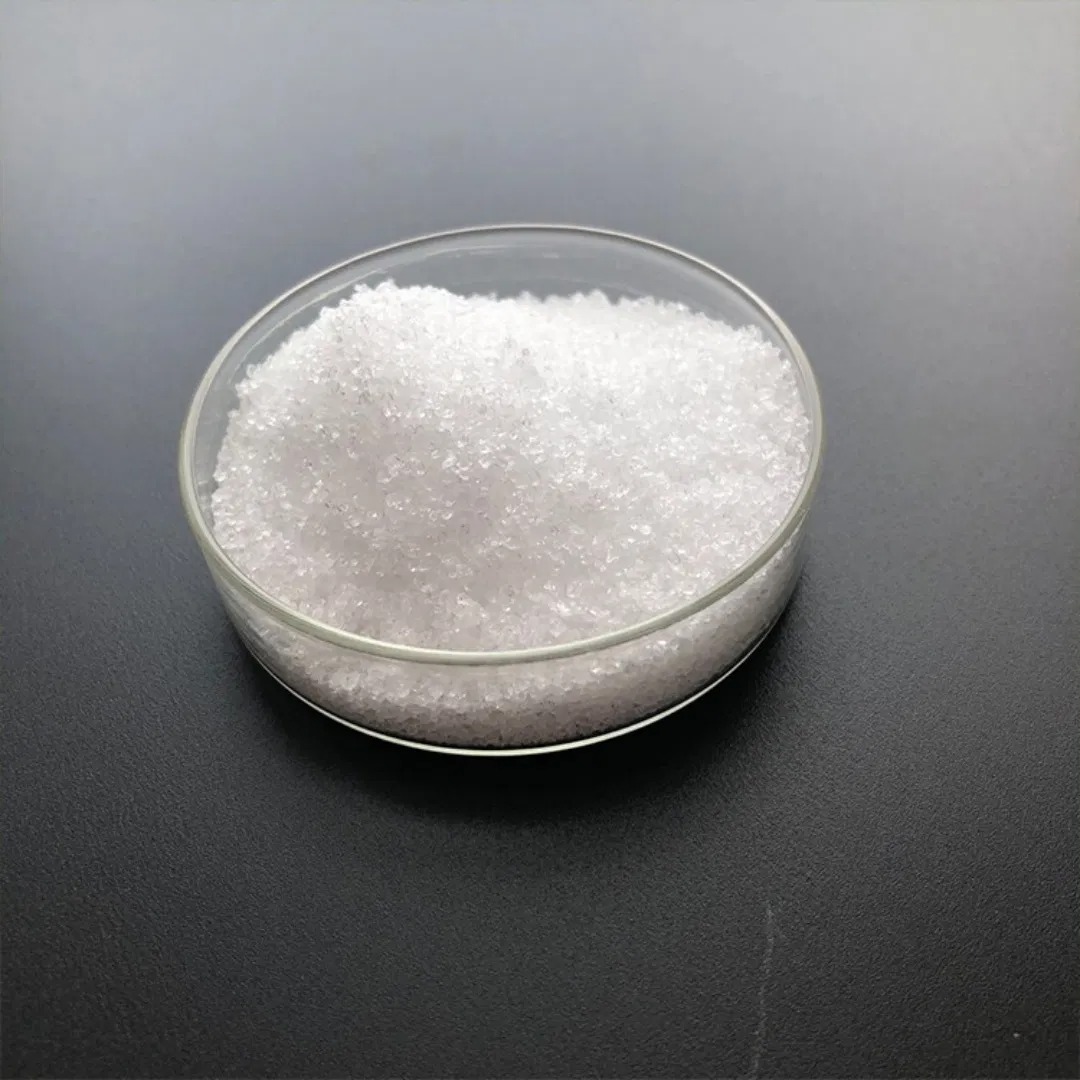
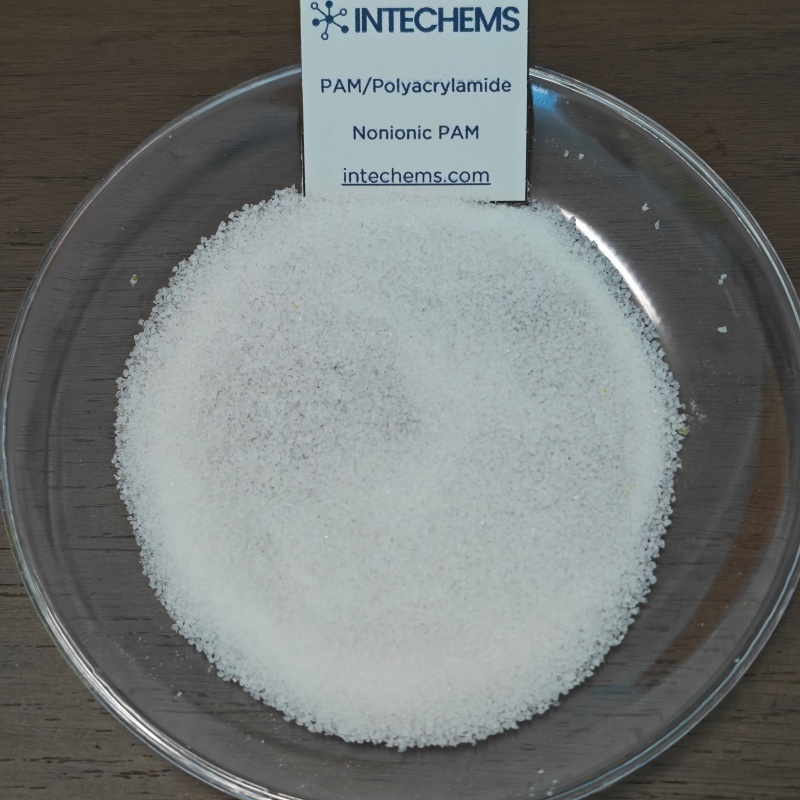
Nonionic polyacrylamide comprises linear polymers with high molecular weight and low ionicity. Nonionic polyacrylamide is homopolymerized from acrylamide, exhibiting high purity, good solubility, and high molecular weight. CAS No.: 9003-05-8 Formula: C3H5NO Appearance: White Granules Package: 25kg/bag Trademark: INTEFLOC Origin: Shandong, China HS Code: 3906901000
PAA is non-toxic, easily soluble in water, and can operate under alkaline and medium concentration cycles without scaling. It can disperse microcrystals or sediment of calcium carbonate, calcium sulfate and other salts in water without precipitation, so as to achieve the purpose of scale inhibition. CAS No.: 9003-01-4 Appearance: Colorless to light yellow transparent liquid Package: 25kg, 250kg, 1250kg shelf life: 12 months.
PAAS can disperse microcrystals or sediment of calcium carbonate, calcium sulfate and other salts in water without precipitation, so as to achieve the purpose of scale inhibition. PAAS is a commonly used dispersant. In addition to being used as a scale inhibitor and dispersant in circulating cooling water systems of power plants, chemical plants, fertilizer plants, oil refineries and air conditioning systems, it is also widely used in papermaking, textile printing and dyeing, ceramics, coatings, building materials and other industries.
PAPEMP can be used as a scale and corrosion inhibitor in circulating cool water systems and oilfield refill water systems in situations of high hardness, high alkali, and high pH values. CAS No.: 130668-24-5 Molecular weight: 600 Formula: C3H18O9NP3 Package: 250kg Net Plastic Drum, 1250 IBC Drum Origin: Shandong, China Hazard Information: Corrosive, Class 8, UN 3265