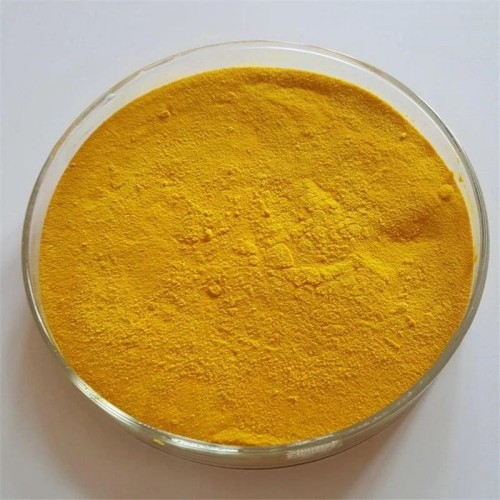
"We have been using INTECHEMS' anionic polyacrylamide for our municipal sludge dewatering process for over two years. The flocculation effect is remarkably stable, and the dosage required is 15–20% lower than our previous supplier, which directly reduces our operating costs. More importantly, their supply chain is highly reliable — even during peak typhoon seasons, shipments from Qingdao Port arrived on time without any interruption to our plant operations. INTECHEMS is not just a vendor; they are a true partner in our daily operations."
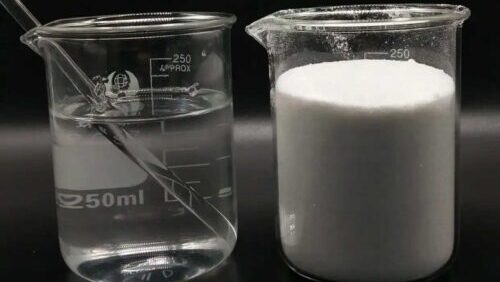
"Our dyeing facility generates high-colority wastewater with complex organic loads, which used to be a headache for our treatment system. Since we switched to INTECHEMS' cationic polyacrylamide, the solid-liquid separation efficiency has improved dramatically. The effluent clarity now consistently meets local discharge standards, and the dewatered sludge cake has a much lower moisture content, saving us significant haulage and disposal fees. Their technical team also provides prompt on-site support whenever we adjust our production mix. Highly recommended for any textile mill facing strict environmental compliance."
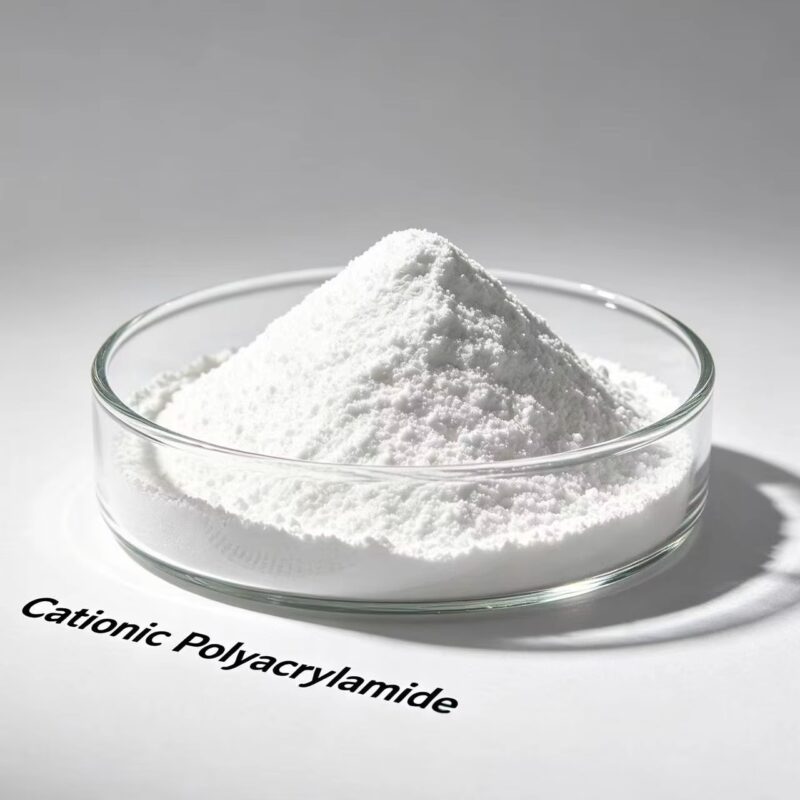
"INTECHEMS' polyaluminium chloride has been our primary coagulant for surface water treatment at our drinking water plant since 2022. Compared to traditional alum, PAC performs far better in low-temperature and low-turbidity conditions during winter months, reducing our coagulant dosage by nearly 25% while maintaining effluent turbidity below 0.3 NTU. The consistent product quality from batch to batch gives us great confidence in meeting national drinking water standards."